Product Description
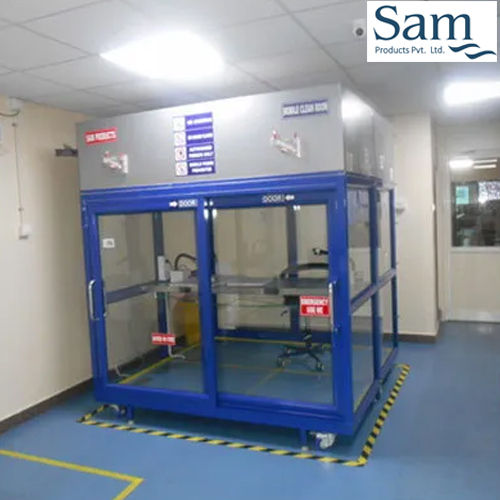
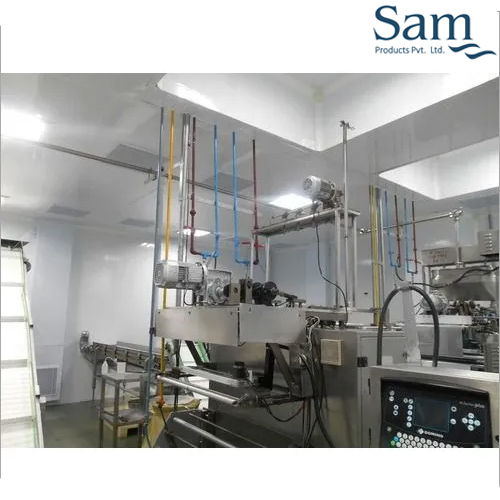
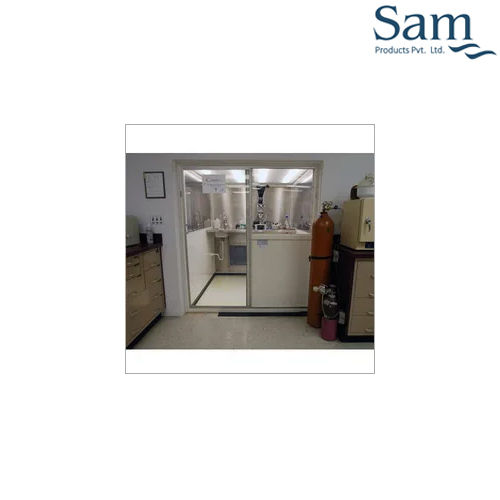
A Modular Clean Roomis an effective environment, which is used in scientific research and manufacturing of pharmaceutical products etc. It is a controlled environment with a low pollutants level, such as airborne microbes, dust, chemical vapors and aerosol particles. The clean room is used in almost all industries where small particles may affect the process of manufacturing. Vary in size & complexity, cleanrooms are utilized in industries like pharmaceuticals, biotechnology, semiconductor manufacturing, life sciences, medical device, and more. Also, they are made to control other environmental factors such as humidity, temperature and pressure. And we keep up with stringent cleanliness performance.
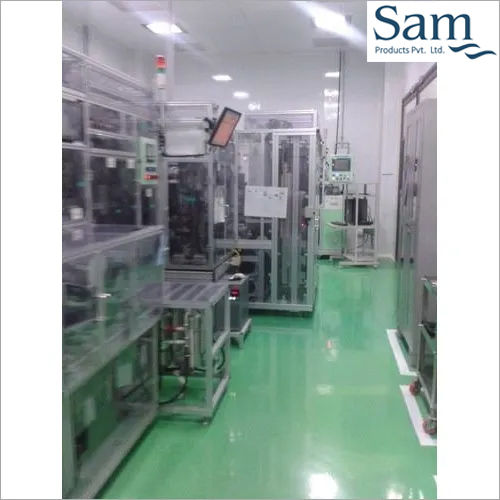
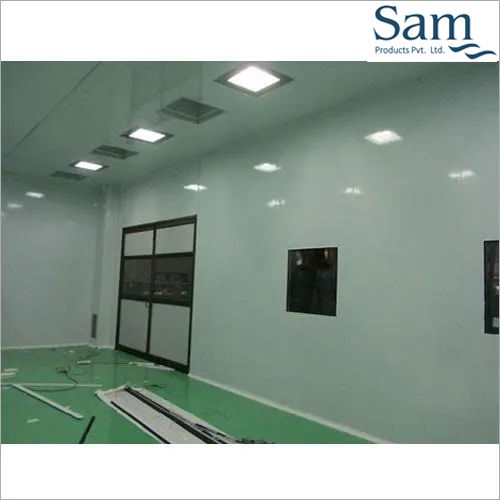
Advanced Hygiene and Safety FeaturesDesigned for cleanliness, the modular clean room uses pre-coated GI or aluminum panels with smooth surfaces, facilitating thorough sanitization. Fire ratings of up to two hours and GMP compliance give assurance in high-stake environments. Adjustable airflow, HEPA/ULPA filters, and anti-static or epoxy flooring help maintain safe, contaminant-free conditions for sensitive operations.
Tailored Customization for Your NeedsEvery clean room is made to match the clients specifications, with customizable dimensions, panel thickness (50 mm or 100 mm), and various accessories. Options for different door types (swing/sliding), airflow patterns (laminar/turbulent), and flooring ensure maximum adaptability for pharmaceutical manufacturing, electronics assembly, and laboratory work.
Efficiency and Fast InstallationBenefit from quick, hassle-free setupmost installations are completed within 2-3 days. Modular construction reduces site disruption, lowers power consumption, and streamlines future expansion or upgrades, ensuring smoother operations and minimal downtime for your facilities.
FAQs of Modular Clean Room:
Q: How does the modular clean room maintain a controlled environment?
A: The clean room features panel insulation with PUF or EPS cores, compatible air conditioning, humidity sensors, and adjustable airflow nozzles. HEPA or ULPA filters, coupled with pre-filters, ensure fine particulate capture, while the sealed, double-glazed windows and flush-mounted doors prevent contamination and maintain consistent internal conditions.
Q: What industries benefit most from this modular clean room?
A: These modular clean rooms are ideally suited for pharmaceutical manufacturing, laboratories, electronics production, and food processing facilities. The design supports GMP compliance, stringent hygiene standards, and flexible layouts to match industry-specific needs in India and beyond.
Q: When can the modular clean room be installed and operational?
A: Installation is rapid, with most clean rooms set up and ready for operation within 2-3 days, thanks to modular construction and efficient delivery of pre-engineered components. This minimizes downtime and accelerates the start of your controlled environment projects.
Q: Where can these clean rooms be installed?
A: The modular clean rooms are designed for installation within new or existing facilities of various sizes. As the dimensions are fully customizable, they can be adapted for almost any workspace in hospitals, manufacturing units, R&D labs, and food processing plants.
Q: What customization options are available for this clean room?
A: Clients can choose the rooms size, panel thickness (50 mm or 100 mm), flooring type (anti-static vinyl, epoxy, or raised floor), door design (swing or sliding), airflow (laminar or turbulent), and accessory features, ensuring the solution precisely matches your operational requirements.
Q: How is fire safety addressed in the modular clean room?
A: All panels are rated for fire resistance up to 2 hours, in compliance with stringent safety standards. This ensures protection for personnel, sensitive equipment, and valuable materials in the event of a fire.
Q: What are the benefits of choosing a modular clean room?
A: Customers gain from fast and easy installation, low power consumption, scalability for future expansion, strict compliance with hygiene and safety norms, and the ability to tailor each aspect to their operational and regulatory needs.








 Send Inquiry
 Send SMS
 Call Me Free


