Modular Cleanroom About
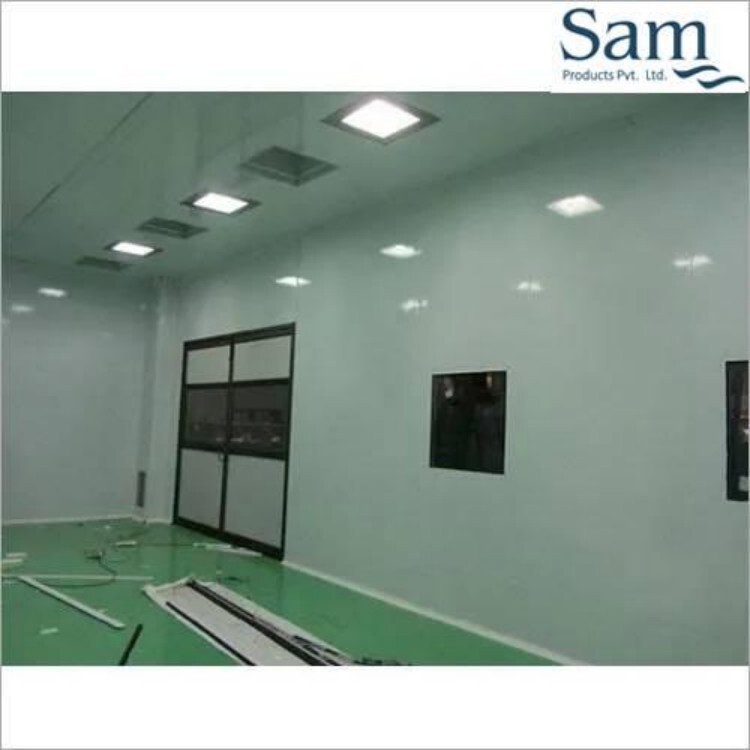
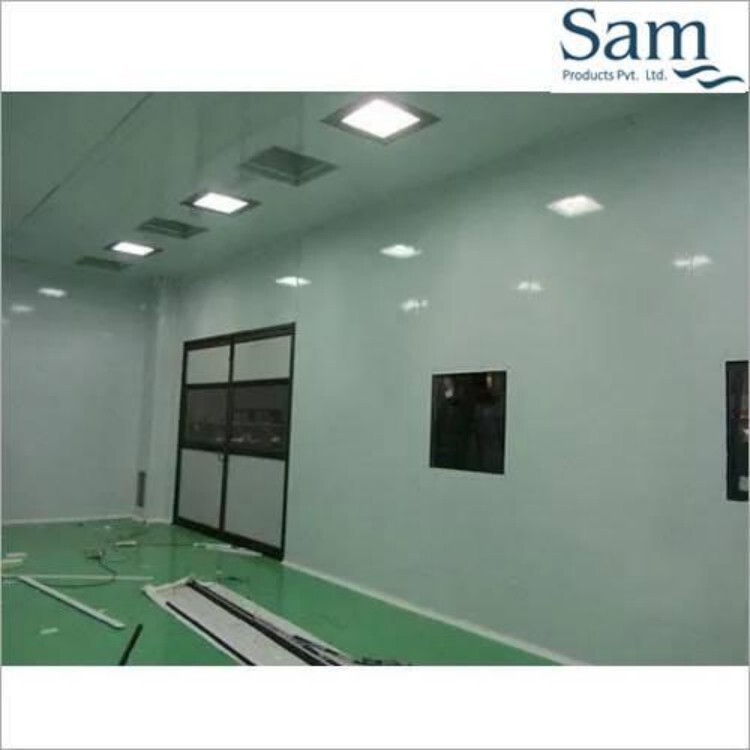
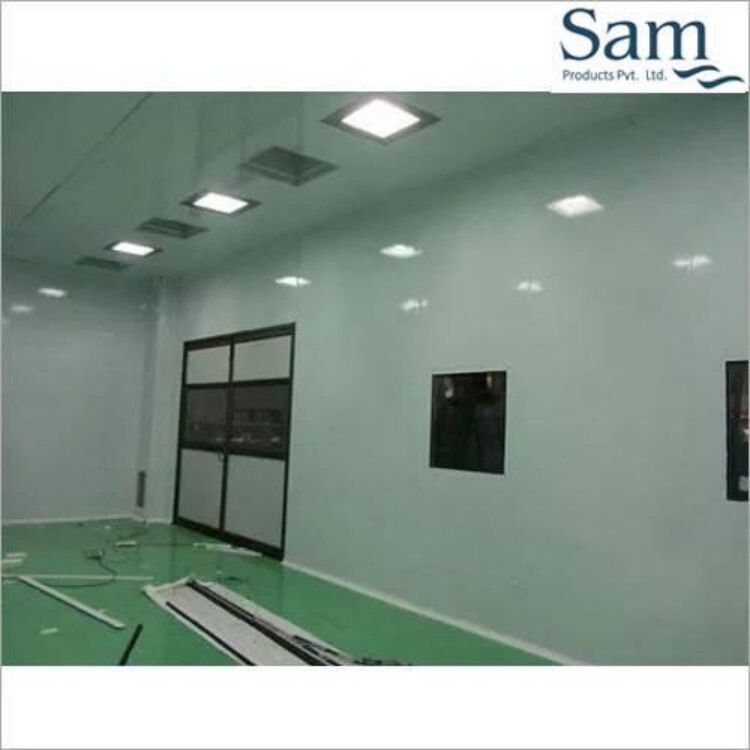
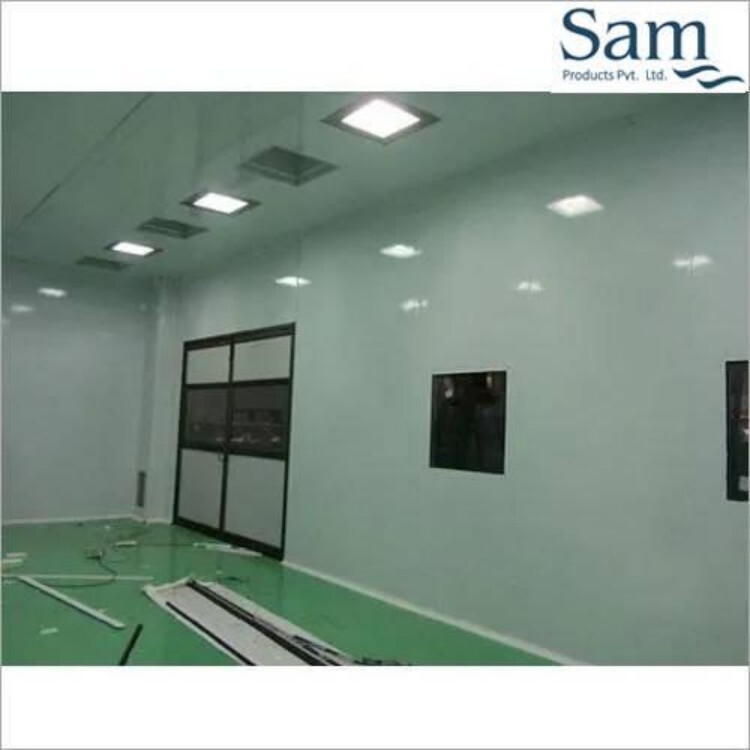
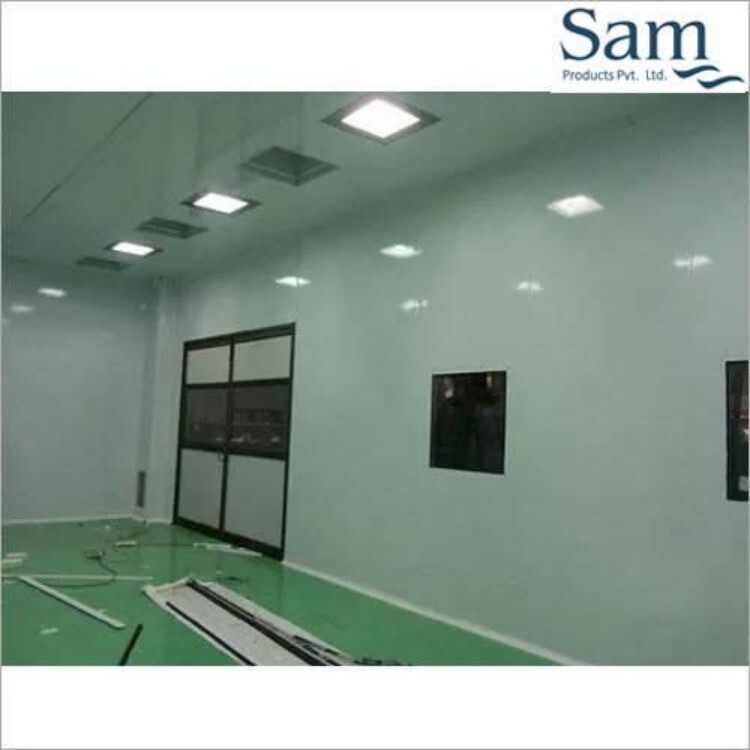
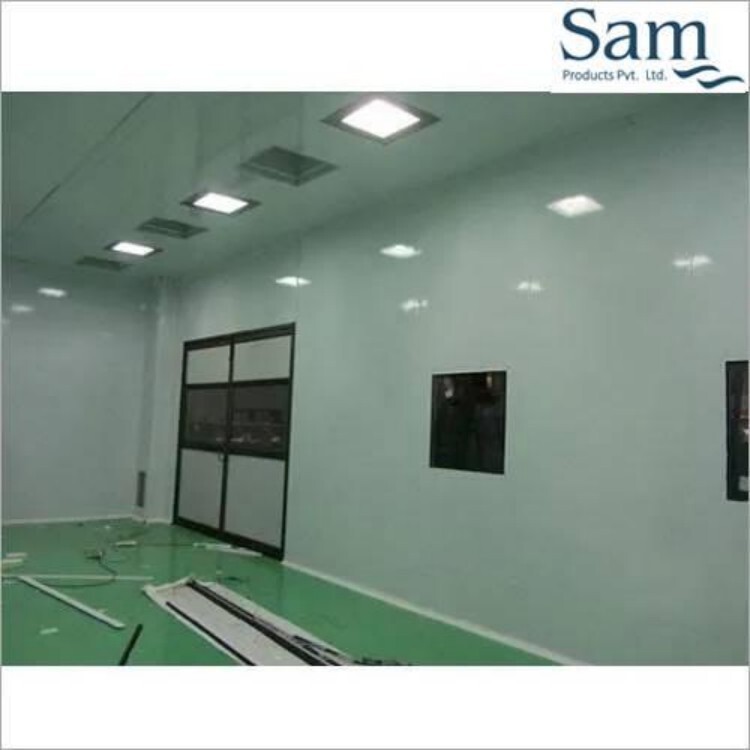
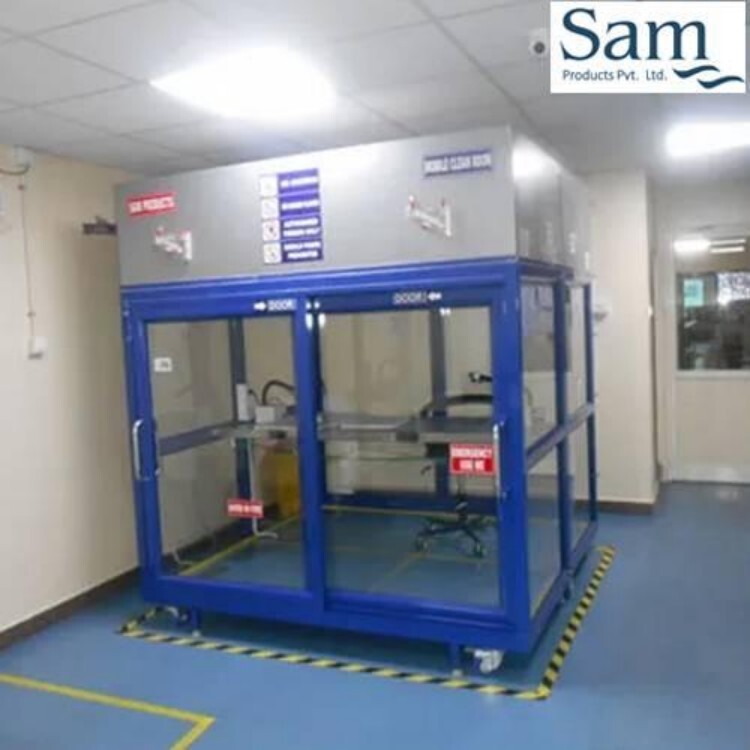
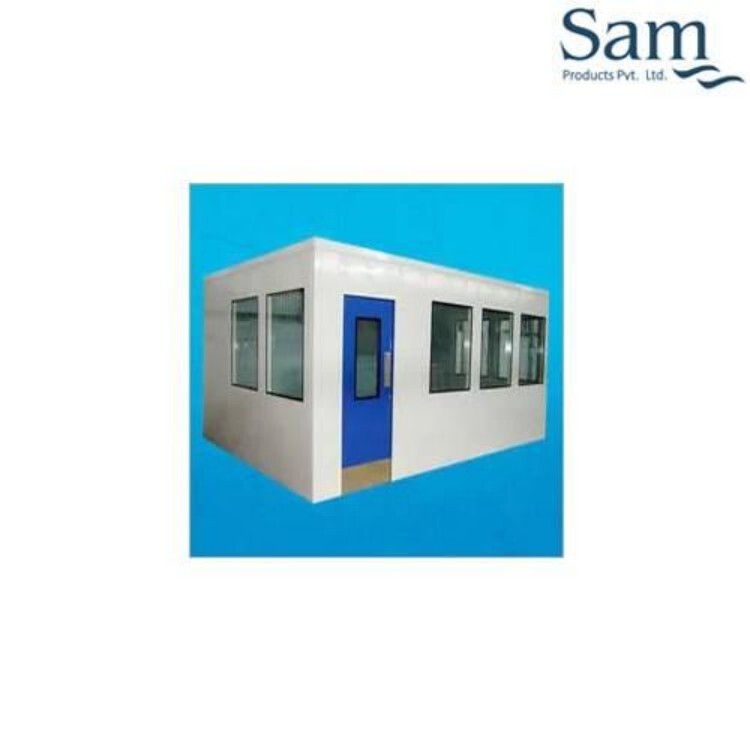
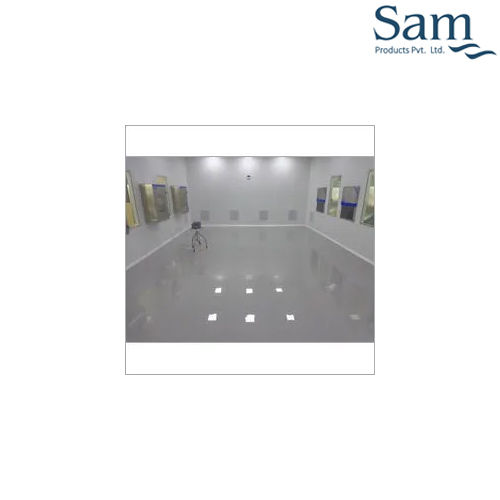
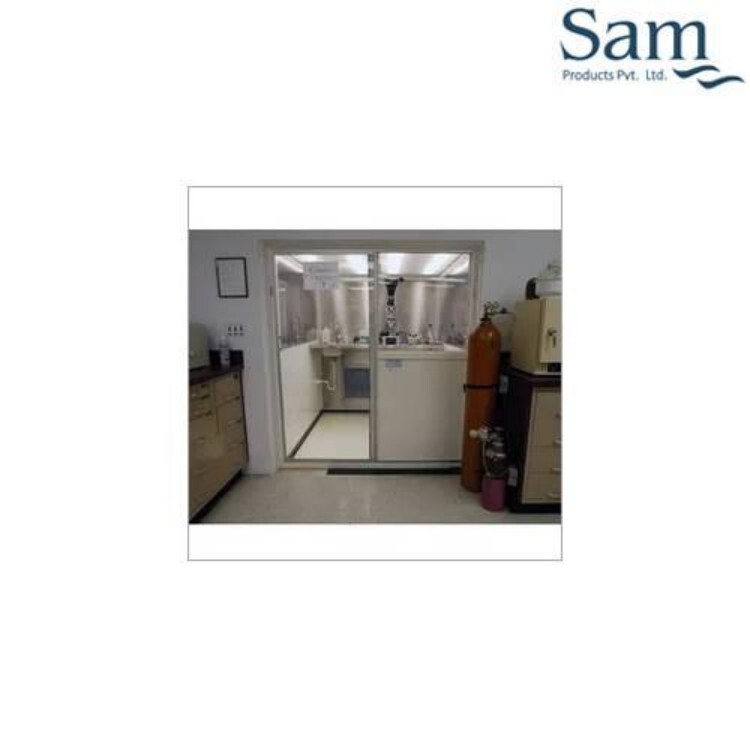
We are dealing in optimum quality Modular cleanrooms that are commonly suited for larger cleanrooms and allow for increased manufacturing space. These cleanrooms are flexible enough to make long term expansion. These find ease in their functionality due to the removable wall panels. Modular cleanrooms have the flexibility of utilizing the HVAC design. These are apt for the free-standing controlled-environment and have been constructed with solid panel walls. Supplied are the solutions, which offer simple mobility and reconfiguration.
Engineered for Ultimate CleanlinessWith ISO 5 to ISO 8 classification, these modular cleanrooms uphold rigorous contamination control through smooth-panel surfaces and advanced filtration. Integrated HVAC systems ensure directed air flow-either laminar or turbulent as required-while relative humidity is controlled between 45-60% RH. Double-glazed flush mount windows and antimicrobial options amplify safety and observation convenience.
Flexible, Fast, and Customizable InstallationEach modular cleanroom is tailored to your facility's dimension needs, whether small laboratory spaces or large manufacturing zones. Thanks to modular sections, installation is completed within 2-5 days depending on size, and eventual reconfiguration or relocation is easily achieved. Swing or sliding FRP/SS doors and surface-mount fixtures further streamline adaptation.
Advanced Monitoring and Seamless OperationThe microprocessor-based control panel offers precise, real-time monitoring and adjustment of temperature, humidity, and air cleanliness levels. Electromagnetic door interlocks and fire-retardant panels reinforce security and safety. Maintenance is straightforward-panels are quickly replaceable, and noise remains below 60 dB for optimal comfort.
FAQ's of Modular Cleanroom:
Q: How does the modular cleanroom maintain ISO 5 to ISO 8 cleanliness levels?
A: The cleanroom employs high-efficiency pre-filters, HEPA, and ULPA filters alongside a fully integrated HVAC system. Precise air flow, controlled via advanced microprocessor panels, and easy-to-clean smooth panels ensure particulate levels are consistently within ISO 5 to ISO 8 requirements.
Q: What is the typical installation process and timeline for modular cleanrooms?
A: Installation involves prefabricated modular sections tailored to your specifications. Standard rooms are installed within 2 to 5 days, depending on size. The modular design minimizes on-site disruption and enables quick scaling or relocation if facility needs change.
Q: Where can these modular cleanrooms be used?
A: They are suitable for pharmaceutical production, laboratories, electronics assembly, and medical device manufacturing-anywhere stringent environmental control and contamination reduction are necessary. The system's flexibility allows application in both new constructions and existing facilities.
Q: What real-time monitoring and safety features are included?
A: Each cleanroom includes a microprocessor-based control panel for live monitoring and adjustment of temperature, humidity, and air quality. Safety features include electromagnetic interlock systems on doors and fire-retardant panel cores to ensure secure operations.
Q: How is ongoing maintenance managed, and are panels replaceable?
A: Maintenance is straightforward due to the modular, low-maintenance panel system. Individual panels can be replaced easily if damaged, and filters are accessible for regular servicing. Optional antimicrobial coatings further reduce microbial growth, lowering cleaning effort.
Q: What type of windows and doors are used in these cleanrooms?
A: Double-glazed, flush mount observation windows ensure clear viewing and maintain surface flushness for easy cleaning. Doors are available as swing or sliding, constructed in FRP or stainless steel, supporting both functionality and ease of decontamination.
Q: What benefits does the optional antimicrobial protection provide?
A: Optional antimicrobial coatings inhibit microbial colonization on surfaces, enhancing hygiene and further reducing the risk of contamination-especially beneficial in pharmaceutical, healthcare, and sensitive manufacturing environments.







 Send Inquiry


 Send Inquiry
 Send SMS
 Call Me Free


